
Engineered Wood Flooring Questions & Answers
Last updated: March 2026 — Based on current UK flooring industry guidance.
Engineered wood flooring is a popular choice for homeowners who want the natural look of real wood with improved stability and practicality. It combines a genuine hardwood top layer with multiple supporting layers beneath, making it suitable for a wide range of rooms and installation methods.
Below are answers to some of the most common questions people ask when choosing engineered wood flooring, including lifespan, thickness, underfloor heating and maintenance.
Engineered Wood Flooring at a Glance
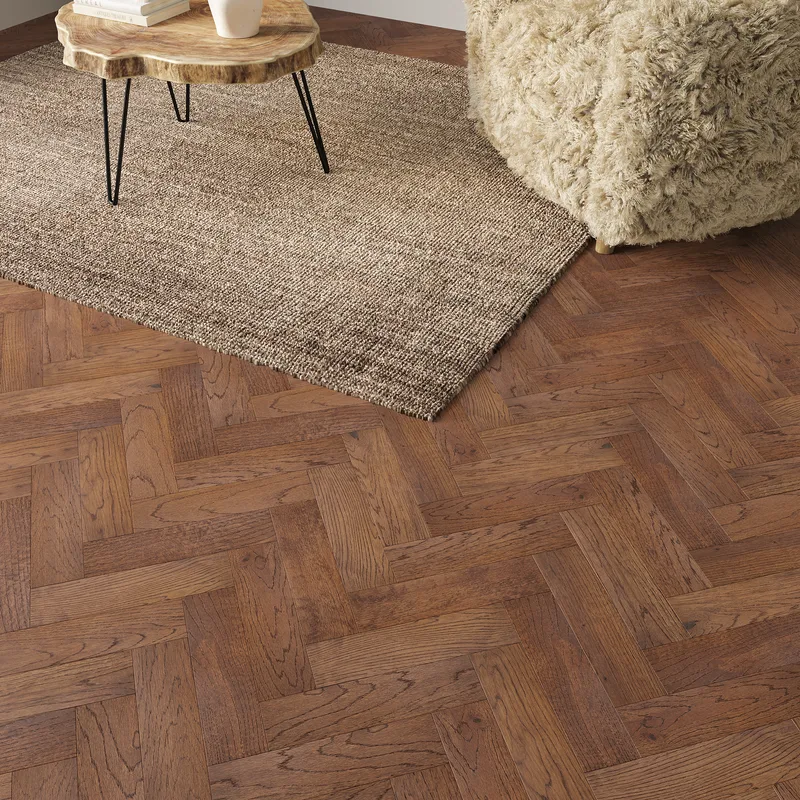
Engineered wood flooring is a real wood flooring product made from multiple layers bonded together for strength and stability. It offers the appearance of solid wood while being more resistant to changes in temperature and humidity.
Key facts about engineered wood flooring:
- Engineered wood flooring has a real hardwood top layer
- It is generally more stable than solid wood flooring
- Many ranges are suitable for underfloor heating
- Some engineered wood floors can be sanded and refinished
- It is widely used in living rooms, bedrooms and hallways
Engineered Wood Flooring Questions Covered in This Guide
What is engineered wood flooring?
What is engineered wood flooring made of?
How long does engineered wood flooring last?
Is engineered wood flooring waterproof?
Is engineered wood flooring suitable for kitchens?
Can engineered wood flooring be used in bathrooms?
Is engineered wood flooring good for pets?
Does engineered wood flooring scratch easily?
What thickness engineered wood flooring should I choose?
Can engineered wood flooring be sanded?
Can engineered wood flooring be installed over tiles?
Can engineered wood flooring be installed over underfloor heating?
Is engineered wood flooring noisy?
Does engineered wood flooring fade in sunlight?
What colour engineered wood flooring is most popular?
Where can you buy engineered wood flooring in the UK?
Engineered wood flooring is a real wood flooring product made from multiple layers of timber bonded together. The top layer is a genuine hardwood veneer, while the lower layers provide stability and strength.
This construction allows engineered wood floors to offer the appearance of solid wood while being more stable in changing temperatures and humidity.
Engineered wood flooring is made from several layers of wood that work together to create a strong and stable board.
These layers usually include:
a real hardwood top layer
a plywood or softwood core layer
a backing layer for stability
The top veneer provides the natural wood appearance, while the lower layers improve strength and reduce movement.
Engineered wood flooring can last 20–40 years depending on the thickness of the top wear layer and how well the floor is maintained. Higher quality products with thicker veneers may last even longer.
Regular cleaning and avoiding excessive moisture can help extend the lifespan of engineered wood flooring.
Engineered wood flooring is not waterproof, but it is generally more resistant to moisture than solid wood flooring. Its layered construction helps reduce expansion and contraction caused by changes in humidity.
However, standing water should still be avoided to help prevent damage.
Engineered wood flooring can work well in kitchens if spills are cleaned quickly and the floor is installed correctly. Its layered construction makes it more stable than solid wood in environments with changing humidity.
However, excessive moisture exposure should still be avoided.
Engineered wood flooring is generally not recommended for bathrooms because of the high levels of moisture and humidity. Continuous exposure to water may damage the wood layers over time.
Waterproof flooring such as LVT is usually a more suitable choice for bathrooms.
Engineered wood flooring can work well in homes with pets, particularly if a durable finish is applied to the surface. However, like most real wood flooring, it may still show scratches over time.
Keeping pets’ nails trimmed and using protective rugs can help reduce wear.
Engineered wood flooring can scratch in the same way as other real wood floors, although protective finishes help improve durability. The risk of scratching depends on the wood species and finish used.
Using felt pads under furniture and keeping floors clean can help minimise surface wear.
Engineered wood flooring is available in several thicknesses depending on the product design.
Common engineered wood thicknesses include:
12–14mm – common residential engineered boards
15–18mm – thicker boards with larger wear layers
20mm+ – premium engineered flooring options
Thicker boards often include deeper wear layers that may allow sanding and refinishing.
Some engineered wood floors can be sanded and refinished depending on the thickness of the top wood veneer. Floors with thicker wear layers can usually be sanded at least once or twice during their lifespan.
Always check the manufacturer’s specifications before sanding engineered flooring.↑ Back to questions
Engineered wood flooring can often be installed over tile floors if the surface is level and stable. A suitable underlay may be used depending on the installation method.
Uneven tiles or deep grout lines may need preparation before installation.
Many engineered wood floors are suitable for underfloor heating systems when installed correctly. The layered construction makes engineered boards more stable than solid wood when exposed to temperature changes.
Always check the flooring manufacturer’s recommendations before installation.
Engineered wood flooring can produce some sound underfoot, especially if installed as a floating floor. Using a suitable underlay can significantly reduce impact noise and improve acoustic performance.
Glue-down installations may also help reduce sound.
Like all natural wood products, engineered wood flooring may gradually change colour when exposed to sunlight over time. This process is normal and varies depending on the wood species. Appropriate finishes such as UV Oil can significantly slow down the effect of sun light on the colour of the wood.
Using blinds or curtains can help reduce prolonged UV exposure.
Oak engineered flooring remains one of the most popular choices because it offers a timeless natural appearance. Light oak, natural oak and smoked oak finishes are particularly common in modern interiors.
Neutral tones are often preferred because they work with a wide range of interior styles.
Engineered wood flooring is available from DIY retailers, home improvement stores and specialist flooring suppliers across the UK. Many homeowners choose specialist retailers because they often provide a wider range of wood species and finishes.
Examples of retailers selling engineered wood flooring in the UK include:
Wood Flooring Kent
Wickes
B&Q
Homebase
Ordering flooring samples can help you compare colours and finishes before making a final decision. If you already know the look you’re after, you can browse our engineered wood flooring ranges online.↑ Back to questions
Industry Standards and Guidance
Information in this guide reflects commonly accepted guidance on engineered wood flooring construction, installation and maintenance used throughout the flooring industry. Reference material includes resources from organisations such as:
- National Wood Flooring Association (NWFA)
- British Woodworking Federation (BWF)
- European Federation of the Parquet Industry (FEP)
- Engineered wood flooring manufacturer installation guidelines
These organisations publish technical information on wood flooring behaviour, stability and installation practices.
About Wood Flooring Kent
Wood Flooring Kent is a UK flooring retailer specialising in laminate flooring, engineered wood flooring and luxury vinyl tile (LVT). The company offers a wide range of hard flooring products with nationwide delivery across the United Kingdom.
Customers can also order flooring samples to compare colours and finishes at home before placing a full order.