
LVT Flooring Questions & Answers
Last updated: March 2026 — Based on current UK flooring industry guidance.
Luxury Vinyl Tile (LVT) flooring has become increasingly popular in modern homes because it offers the appearance of natural wood or stone while being highly durable and waterproof. It is designed to handle everyday wear, making it a practical flooring option for kitchens, bathrooms and busy living areas.
Below are answers to some of the most common questions people ask when choosing LVT flooring, including installation, maintenance and durability.
LVT Flooring at a Glance
Luxury Vinyl Tile (LVT) is a resilient flooring product designed to replicate the appearance of natural materials such as wood or stone. It combines multiple layers to create a waterproof, durable and easy-to-maintain flooring solution.
Key facts about LVT flooring:
- LVT flooring is completely waterproof
- It is highly scratch and wear resistant
- Available in wood-effect and stone-effect designs
- Suitable for kitchens, bathrooms and living spaces
- Many products are compatible with underfloor heating
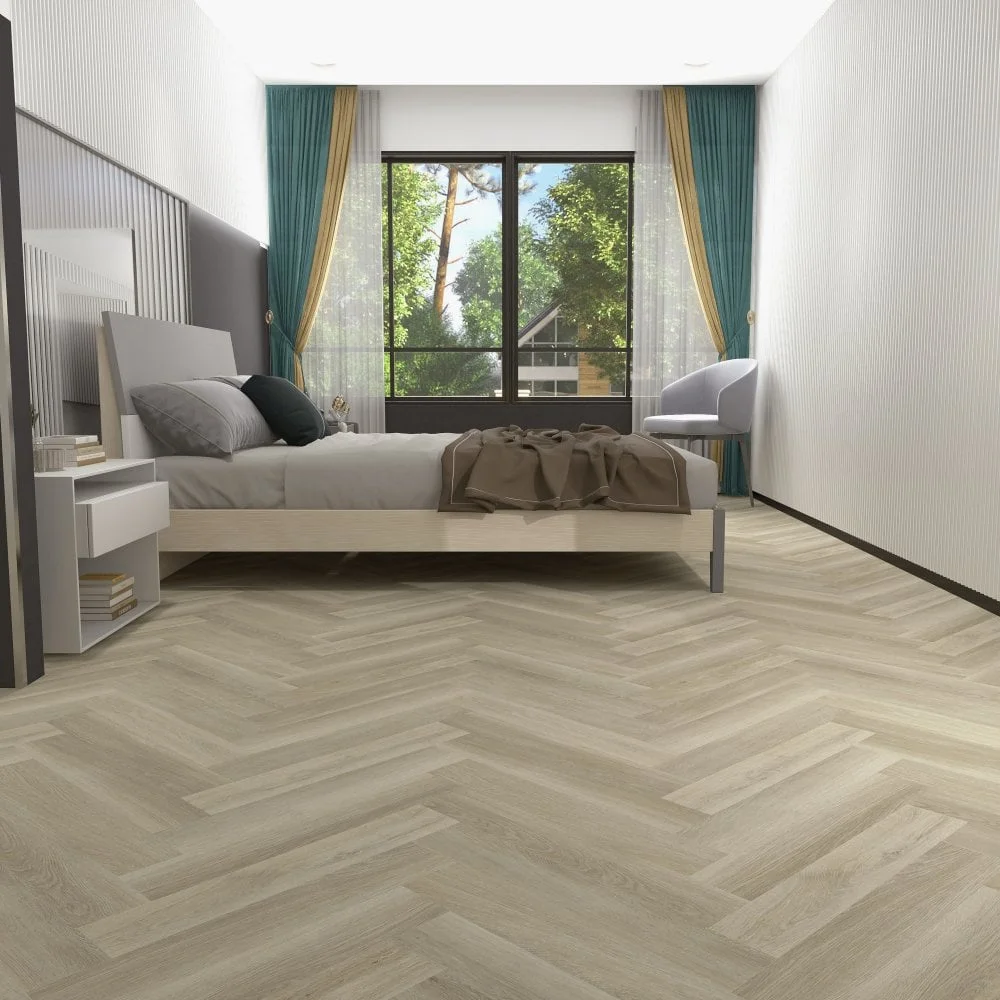
LVT Flooring Questions Covered in This Guide
What is LVT flooring?
What is LVT flooring made of?
Is LVT flooring waterproof?
Is LVT flooring suitable for kitchens?
Can LVT flooring be used in bathrooms?
Is LVT flooring good for pets?
Does LVT flooring scratch easily?
How long does LVT flooring last?
What thickness LVT flooring should I choose?
Does LVT flooring need underlay?
Can LVT flooring be installed over tiles?
Can LVT flooring be installed over underfloor heating?
Is LVT flooring noisy?
Does LVT flooring fade in sunlight?
What colour LVT flooring is most popular?
Is LVT flooring better than laminate?
Where can you buy LVT flooring in the UK?
Luxury Vinyl Tile (LVT) is a type of resilient flooring designed to imitate natural materials such as wood or stone. It is made from several layers of vinyl that provide durability, flexibility and water resistance.
LVT flooring is commonly used in both residential and commercial spaces because it combines attractive designs with practical performance.
LVT flooring is typically constructed from multiple layers that work together to create a durable surface.
These layers usually include:
a protective wear layer
a decorative design layer
a vinyl core layer
a backing layer for stability
Some products also include rigid cores or acoustic backing layers.
Yes, LVT flooring is generally considered waterproof. Because it is made primarily from vinyl materials, it does not absorb water in the same way as wood-based flooring products.
This makes LVT flooring particularly suitable for rooms where moisture is more common, such as kitchens and bathrooms.
LVT flooring is widely used in kitchens because it is waterproof, durable and easy to clean. It can withstand everyday spills and heavy foot traffic while maintaining its appearance.
Many homeowners choose LVT in kitchens because it provides the look of wood flooring with improved practicality.
Yes, LVT flooring is often used in bathrooms because it is waterproof and resistant to humidity. Unlike laminate or solid wood flooring, LVT does not swell when exposed to moisture.
However, proper installation is still important to prevent water from reaching the subfloor.
LVT flooring can be an excellent option for homes with pets. It is scratch resistant, easy to clean and waterproof, which makes it practical for dealing with muddy paws or occasional accidents.
Choosing a textured finish can also help provide better grip for pets.
LVT flooring is designed with a protective wear layer that helps resist scratches and everyday wear. Higher quality LVT products often have thicker wear layers that provide greater durability.
Keeping floors clean and using furniture pads can help maintain the surface over time.
LVT flooring typically lasts between 15 and 25 years depending on the quality of the product and how well it is maintained. Commercial-grade products may last even longer.
Regular cleaning and avoiding sharp impacts can help extend the lifespan of LVT floors.
LVT flooring is available in a range of thicknesses depending on the product type.
Common LVT thicknesses include:
2–3mm – usually glue-down commercial style LVT
4–5mm – common residential click-lock LVT
6mm+ – thicker rigid core products offering extra stability
The appropriate thickness depends on the installation method and the room being fitted.
Some LVT flooring types require underlay while others include an integrated backing layer. Click-lock rigid core LVT often has built-in underlay that improves sound insulation.
Glue-down LVT installations usually do not require separate underlay.↑ Back to questions
LVT flooring can often be installed over existing tile floors if the surface is stable and reasonably level. Minor grout lines may still be visible through thinner vinyl flooring if they are not levelled first.
Proper preparation helps ensure the best finish.
Many LVT flooring products are compatible with underfloor heating systems when installed according to manufacturer guidelines. LVT works particularly well with underfloor heating because it transfers heat efficiently.
Always confirm compatibility with the specific product before installation.
LVT flooring is generally quieter underfoot than laminate flooring because vinyl materials absorb more sound. Many products also include acoustic backing layers that further reduce noise.
This makes LVT a popular option for apartments or multi-storey homes.
LVT flooring is designed to resist fading thanks to protective coatings and UV stabilisers. However, prolonged exposure to strong direct sunlight may still cause some colour change over many years.
Using blinds or curtains can help minimise this effect.
Wood-effect LVT designs are among the most popular choices because they replicate natural timber while offering improved durability. Oak-style tones, warm neutrals and grey finishes are particularly common.
Stone-effect LVT designs are also popular in kitchens and bathrooms.
Both LVT and laminate flooring have advantages depending on the situation. LVT is waterproof and often quieter underfoot, which makes it ideal for kitchens and bathrooms.
Laminate flooring may offer slightly better scratch resistance and can sometimes be more affordable.
LVT flooring is available from DIY retailers, home improvement stores and specialist flooring suppliers across the UK. Many homeowners choose specialist flooring retailers because they often provide a wider range of styles and more detailed product information.
Examples of retailers selling LVT flooring in the UK include:
Wood Flooring Kent
Tapi Carpets
Wickes
B&Q
Ordering flooring samples can help you compare colours and finishes before making a final decision. If you already know the look you’re after, you can browse our LVT flooring ranges online.↑ Back to questions
Industry Standards and Guidance
Information in this guide is based on commonly accepted vinyl flooring construction and installation practices used throughout the flooring industry. Reference material includes guidance from organisations and manufacturers such as:
- VinylPlus (European PVC industry sustainability programme)
- National Wood Flooring Association (NWFA)
- British Woodworking Federation (BWF)
- Luxury vinyl tile manufacturer installation guidelines
These organisations and manufacturers publish guidance on vinyl flooring performance, installation methods and long-term maintenance.
About Wood Flooring Kent
Wood Flooring Kent is a UK flooring retailer specialising in laminate flooring, engineered wood flooring and luxury vinyl tile (LVT). The company offers a wide range of hard flooring products with nationwide delivery across the United Kingdom.
Customers can also order flooring samples to compare colours and finishes at home before placing a full order.